
I’m going to start this off by saying I think my cockapoo, Elvis, is the best dog in the whole world. In my eyes, he’s a “good boy” even when he’s outrageously behaved. That being said, his recent crimes have included: stealing my mum’s sandwich off her desk at work (we call him “the robber”), wolfing down an entire bar of Toblerone and the foil while the dog sitter’s back was turned (somehow, he emerged unscathed, despite chocolate being notoriously toxic to dogs), and attempting to leap into the driver’s seat, despite being clipped into the back of the car. Undeniably, he is a handful.
When we first went to meet Elvis’s litter in 2013, my mum and I were perplexed. The ethical breeder told us there was one puppy she knew would suit us and plonked this bundle of black fur in my lap. Five minutes later, while his brothers and sisters snoozed, he’d launched an escape mission out of the room. Why did she think we’d vibe with the lunatic?
Still, we excitedly took him home. As Elvis terrorised and delighted us in equal measure in those first initial weeks – zooming around the house, pulling our socks clean off our feet, and stealing lacy pants from the washing line – we signed him up for puppy training classes. What ensued was nothing short of pandemonium. Within minutes of the first class kicking off, he’d jumped in a water bowl that was double the size of him before proceeding to catch a ride on a much larger dog’s back. To this day, despite our persistence, he can only just about “sit” and “stay”.
My mum and I have routinely blamed ourselves for this. We would love to take Elvis to the pub with us for lunch, but we can’t trust him not to wreak havoc. When I take him for a walk, I get nervous about letting him off the lead if the park gets crowded because he’ll run off in whatever direction his pals are going. Recently, as he’s become more anxious with age, we can’t watch TV in peace because he climbs up onto the back of the sofa and whacks us on the head with his paw until we stroke him again.
If there was any chance of him slowing down in his latter years, as is commonly considered the norm – it hasn’t started yet.
The cockapoo – a cross between a cocker spaniel and a poodle – has been marketed for many years as an ideal family dog. They’re hypoallergenic, meaning they hardly shed fur, are intelligent, cuddly and so friendly. However, a new study from the Royal Veterinary College suggests Elvis’s cheeky behaviour may be somewhat down to his breed.

The team of researchers analysed data from 3,424 crossbreed and 5,978 purebred dogs collected via an online questionnaire of owners of cockapoo, labradoodle, cavapoo, cocker spaniel, labrador retriever, cavalier king charles spaniel and poodle dogs. The questionnaire asked owners questions about dozens of their dog’s traits, including trainability, excitability, fearfulness and aggression.
Cockapoos showed more undesirable behaviours than poodles in six categories, including owner-directed aggression, stranger-directed aggression, dog rivalry, separation-related issues, excitability and non-social fear, such as fear of traffic. Although Elvis has never been aggressive (we often joke if someone tried to rob the house, he’d give them a tour), there were some personality traits that certainly resonated.
Elvis’s breed also scored worse than cocker spaniels, showing more undesirable behaviour for dog-directed aggression, stranger-directed fear, dog-directed fear and trainability than his ancestors. Those things don’t apply to Elvis, but it does to other dogs of his kind, who are being sold to families with young children and are hoping for an easy life.
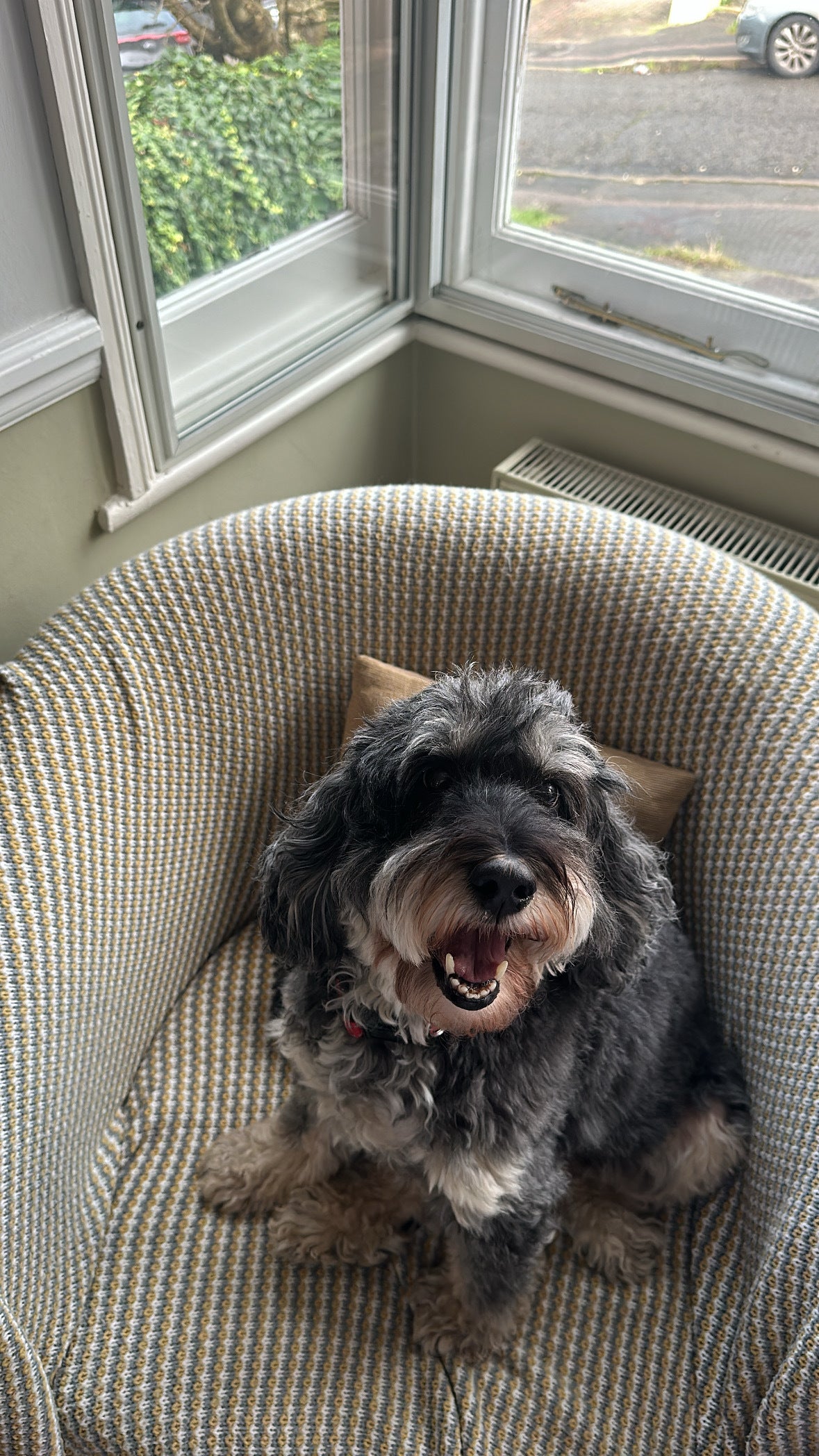
So whose fault is this? Researchers say it may well be a combination of nature and nurture.
One possible explanation is that cockapoos and cavapoos (who also scored badly) are often bred from smaller dogs like miniature or toy poodles. “Size is an influential factor in undesirable behaviour, with previous studies finding that small dogs were twice as likely to show human-directed aggression compared to large dogs,” researchers said.
Irresponsible breeding is also at play. New owners of designer crosses were markedly less likely to see their puppy with their mother on the day they brought them home. This is a red flag of illegal puppy sales and is associated with a higher level of undesirable behaviour in the future.
Additionally, designer-cross owners are far more likely to be first-time dog owners (guilty) precisely because they’re widely considered to be “easy” pets. This inexperience has previously been reported as a risk factor for higher levels of behavioural problems, which the most recent study found to be a “significant association” with the behavioural differences between crosses and their parent pure breeds.
One final consideration is illness. Obviously, if a dog is in pain or discomfort, they’re going to be crankier or more agitated. Designer-crosses in the study showed more likeliness to have ear infections and skin disorders like atopic dermatitis, which could have made them more irritable. Elvis, meanwhile, has consistently suffered with UTIs and was recently diagnosed with Cushings disease, which is (shock) caused by excessive cortisol production – the stress hormone.
.jpeg)
Cockapoos, and other designer dogs like them, aren’t inherently naughty. Every dog is different, and other studies have shown that their home life and training can be far more significant for their demeanour than their breed. That being said, the myth of cockapoos being an easy, child-friendly dog may need some re-evaluation. You need tenacity.
“Combo breeds such as the cockapoos and cavapoos are high on my list for dogs I see with behavioural issues,” says dog behaviouralist and author Louise Glazebrook. “As a society, we have totally lost touch with understanding our dogs’ needs and instead are thinking only of our own. For example. ‘I want a fluffy dog that doesn’t moult.’ Instead, we should be looking at our abilities, lifestyle, work patterns and more. When anyone takes on any dog breed or combo breed, there are lots of assessments that need to be made around suitability, happiness and whether you can fulfil the needs of that dog.”
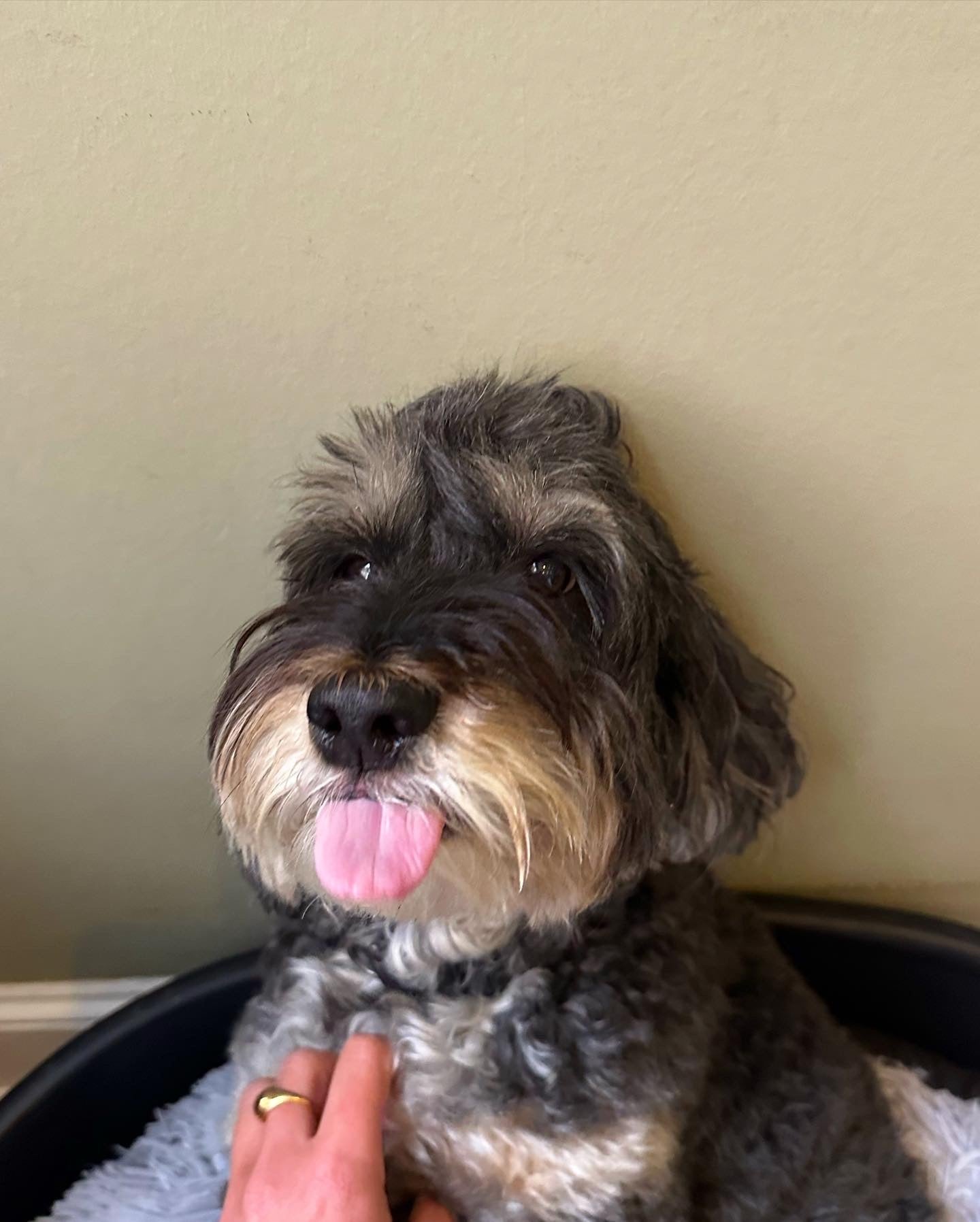
It turns out, Elvis’s breeder was right: he is perfectly suited to my mum and I. His chaotic nature makes us laugh, his anxiety is as bad as mine, and his jumping up is endearing rather than endangering, with no small children in the house to knock down. We have the time, patience and lifestyle for his quirks. Frankly, I love my boisterous boy as he is.
But it’s perhaps this love and care that’s prevented his potential for aggression and rivalry to ever come through. As with all dog ownership, having a cockapoo in your home is a huge responsibility; there is no cheat code to an “easy” dog – no matter who their parents are.
