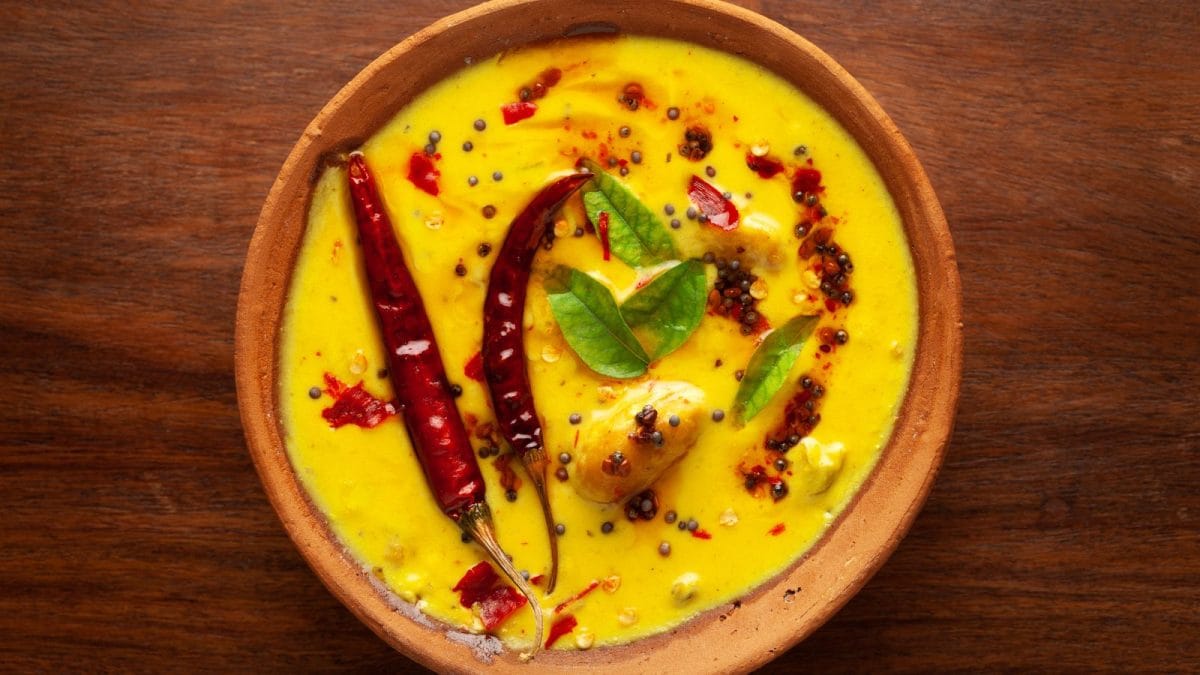
Kadhi is one of India’s most comforting dishes, a yogurt-based curry thickened with gram flour (besan) and often paired with rice. While the base remains similar across regions, each state has given kadhi its own twist, making it a diverse and flavorful dish. Here’s a look at the most popular varieties of kadhi in India. (Image: Canva)
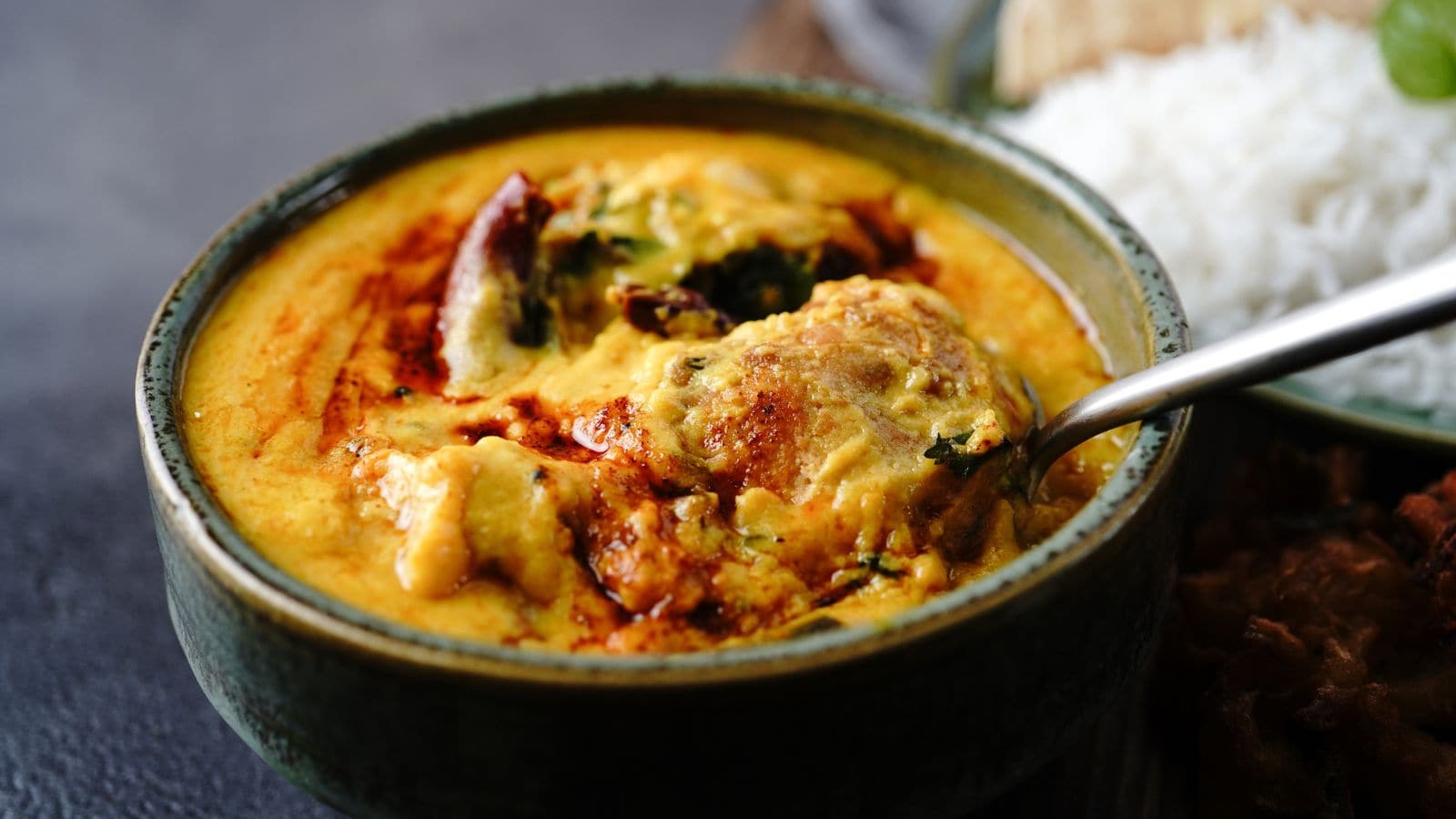
Punjabi Kadhi Pakora: Rich and hearty, Punjabi kadhi is thick and creamy, often cooked with deep-fried pakoras (gram flour fritters) added to the curry. The yogurt is simmered for a long time, giving it a robust flavor. Tempered with onions, garlic, and red chilies, this version is a staple in Punjabi households and pairs beautifully with jeera rice. (Image: Canva)
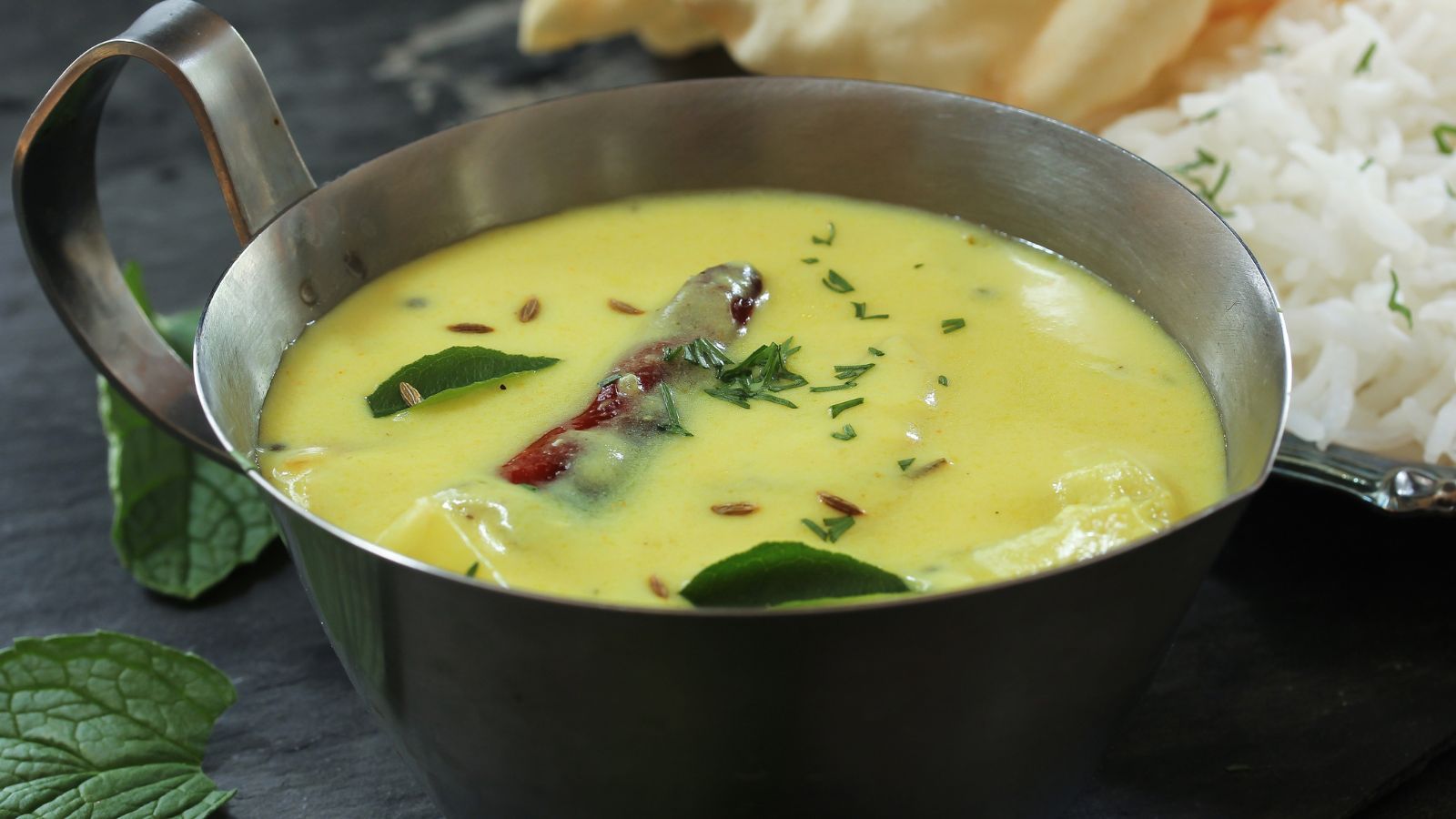
Gujarati Kadhi: Gujarati kadhi is known for its sweet and tangy flavour. Made with yogurt, besan, and tempered with curry leaves, mustard seeds, and green chilies, it often includes a touch of jaggery or sugar. Light and soothing, it’s usually served with steamed rice or khichdi. (Image: Canva)
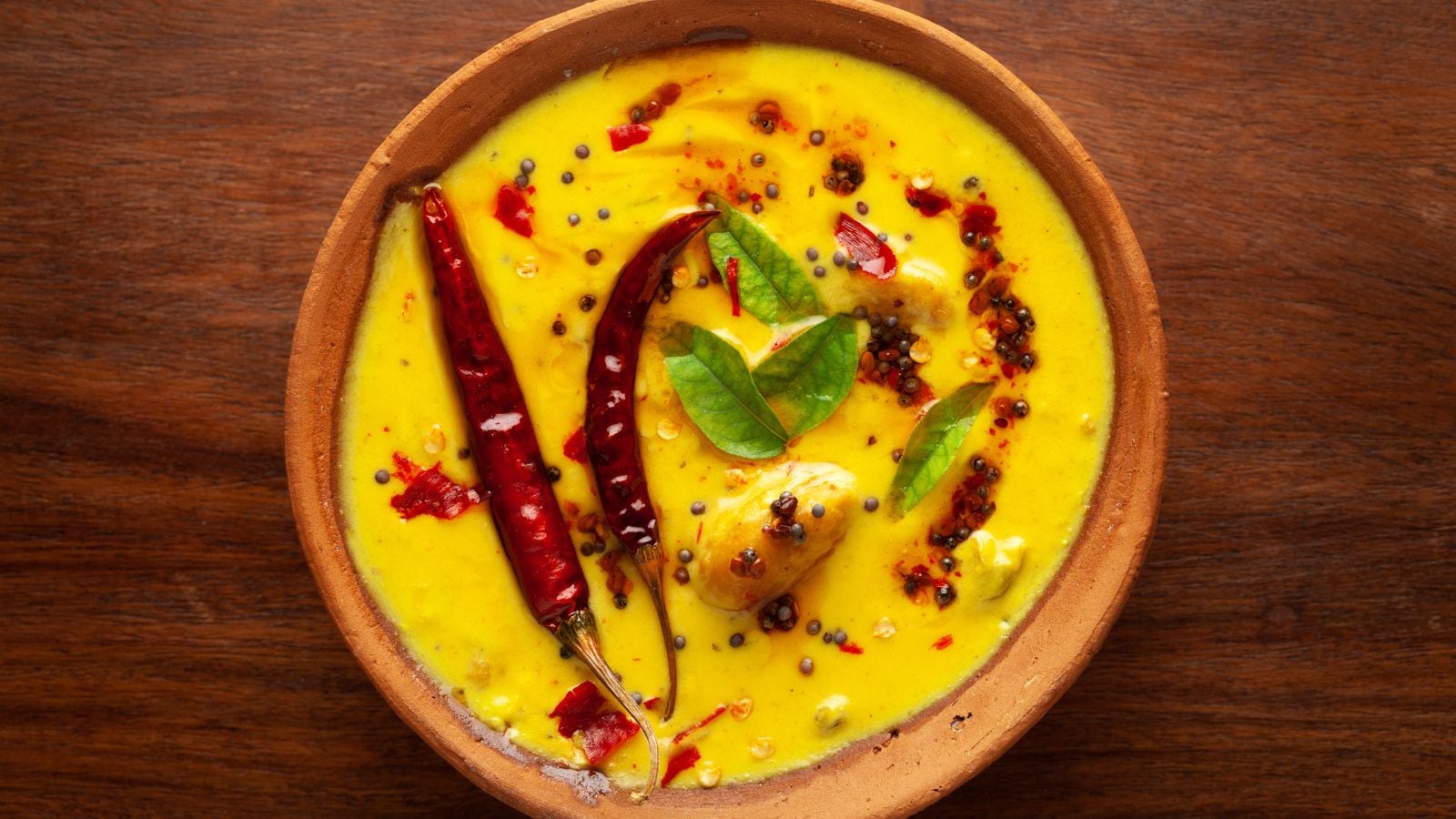
Rajasthani Kadhi: Rajasthani kadhi is similar to Punjabi kadhi but often spicier, reflecting the region’s bold flavors. It may include pakoras or be served plain, but the generous use of red chili and asafoetida gives it a distinct taste. It’s commonly enjoyed with bajra roti or rice. (Image: Canva)
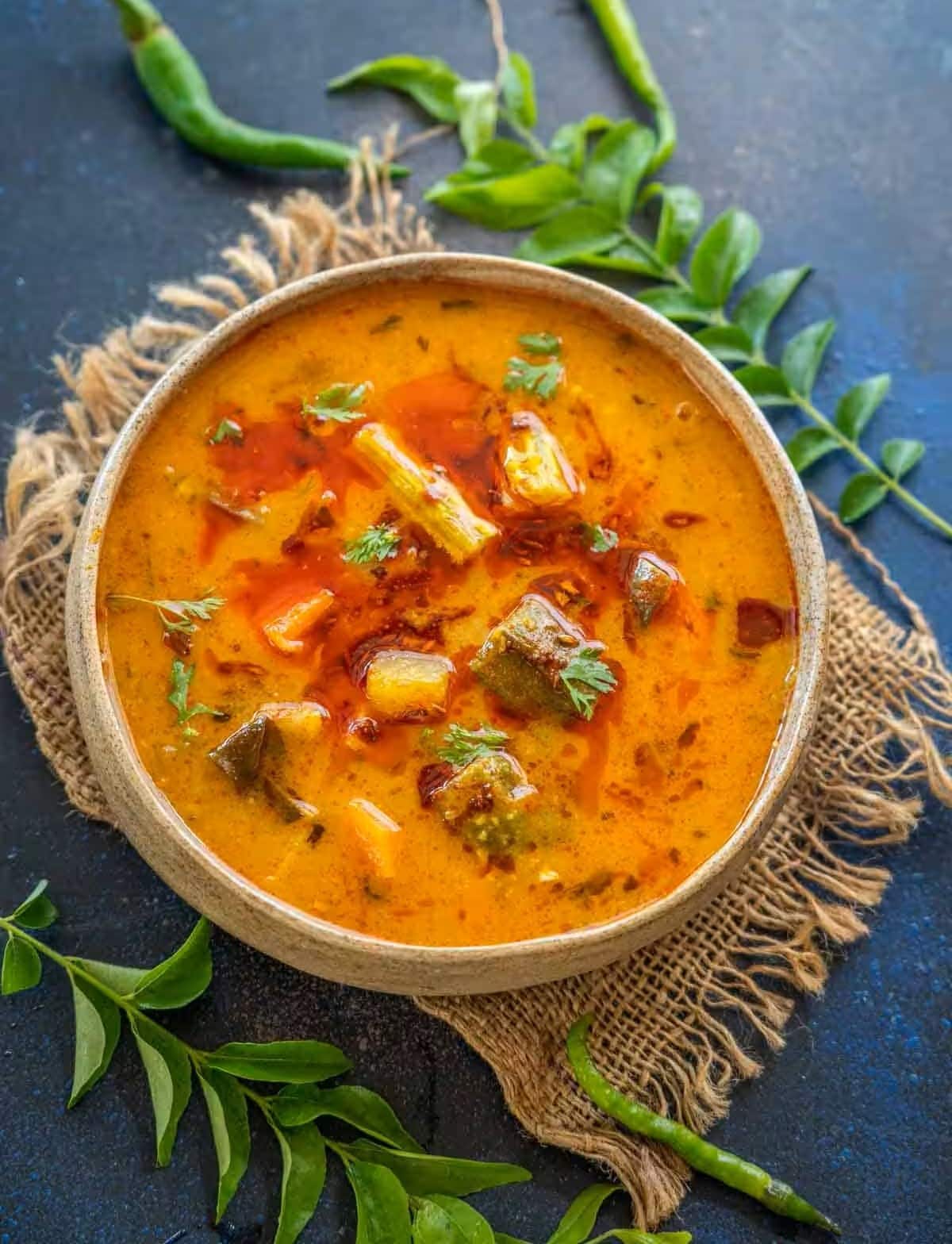
Sindhi Kadhi: Unique among kadhi varieties, Sindhi kadhi is made without yogurt. Instead, tamarind or tomatoes provide the tanginess, and a medley of vegetables like drumsticks, okra, and beans are simmered in the besan-based gravy. It’s wholesome, nutritious, and usually served with rice. (Image: Canva)
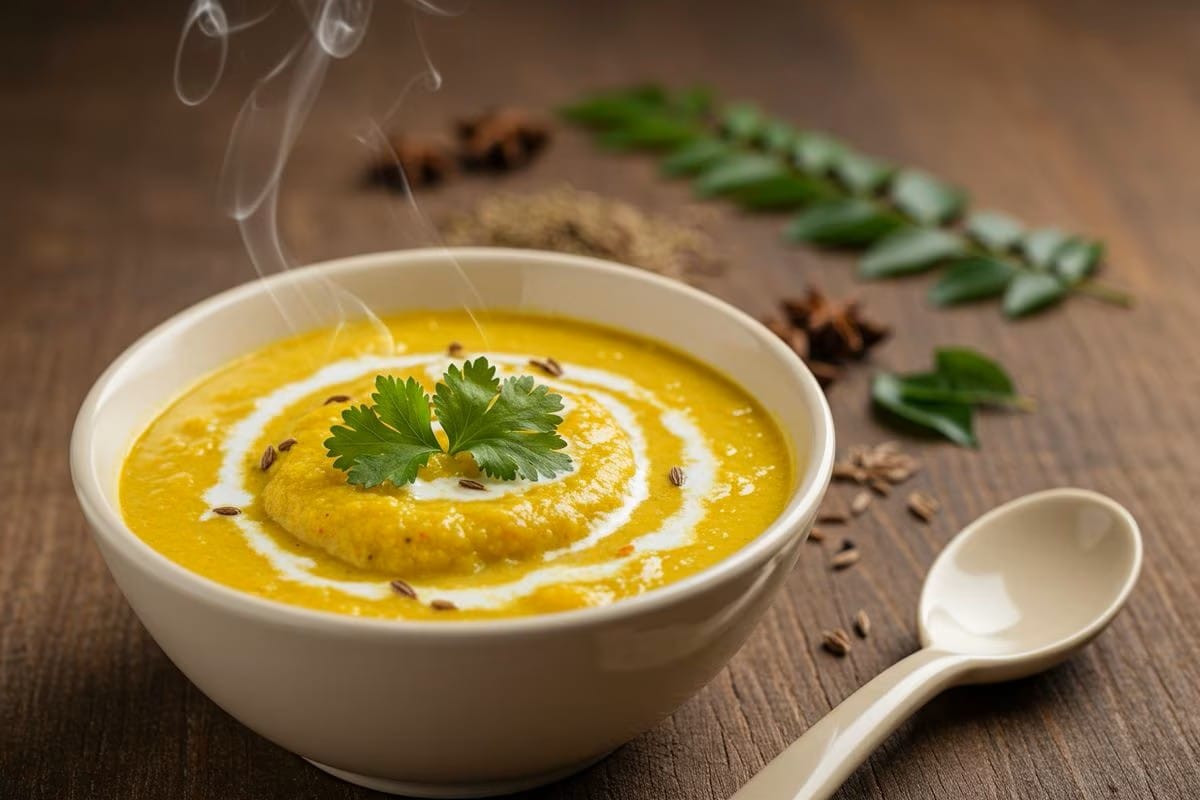
Maharashtrian Kadhi: In Maharashtra, kadhi is called takachi kadhi, made with buttermilk or thin yogurt. It’s lighter than Punjabi kadhi and often tempered with cumin, curry leaves, and green chilies. Served with rice, it’s a refreshing dish especially popular in summer.
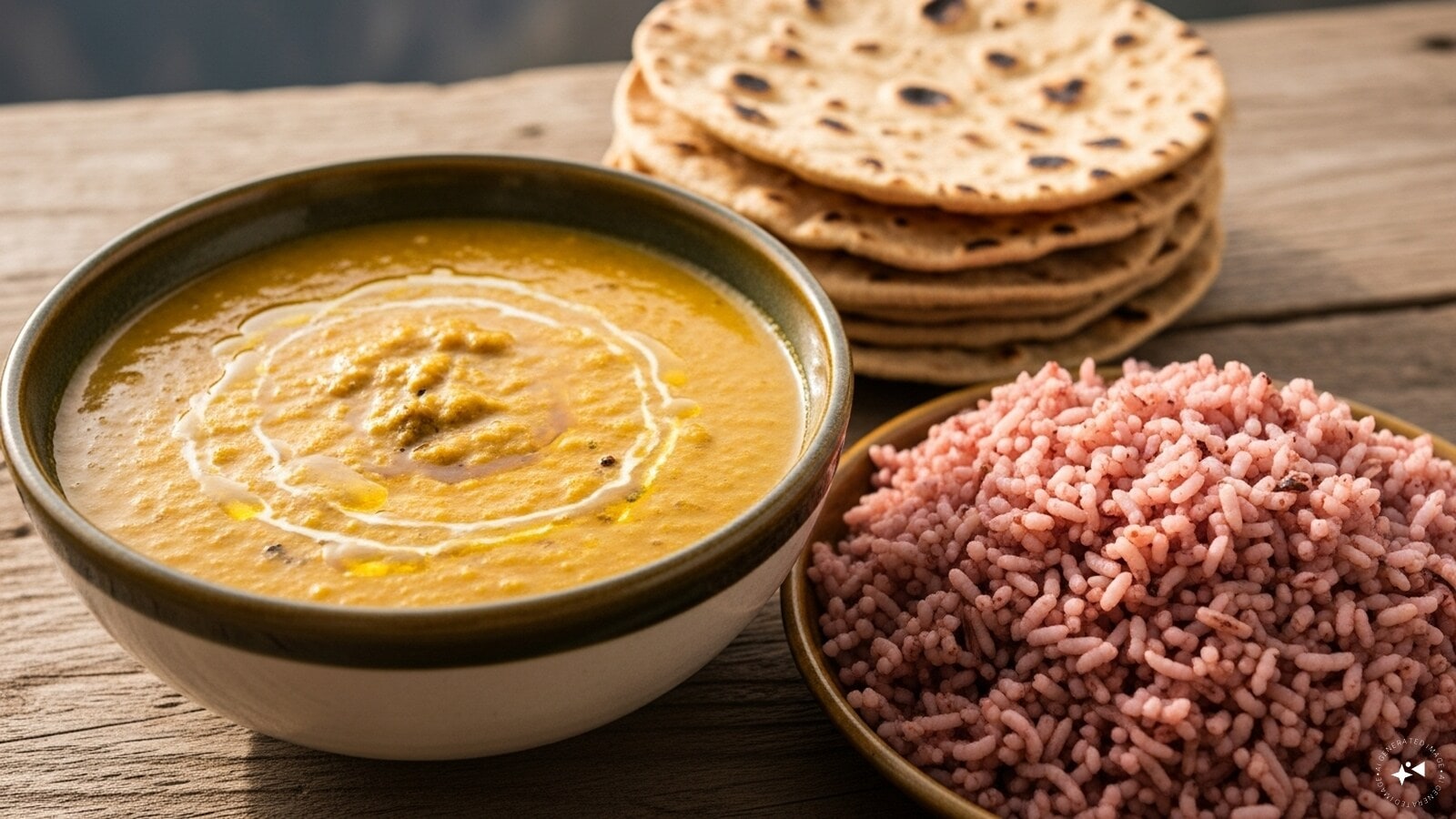
Himachali Kadhi: Himachali kadhi is rustic and earthy, often cooked with local spices and ghee. It’s thicker than Gujarati kadhi but less rich than Punjabi kadhi. Traditionally, it’s served with red rice or millet-based rotis, reflecting the mountain cuisine. (Image: AI-Generated)
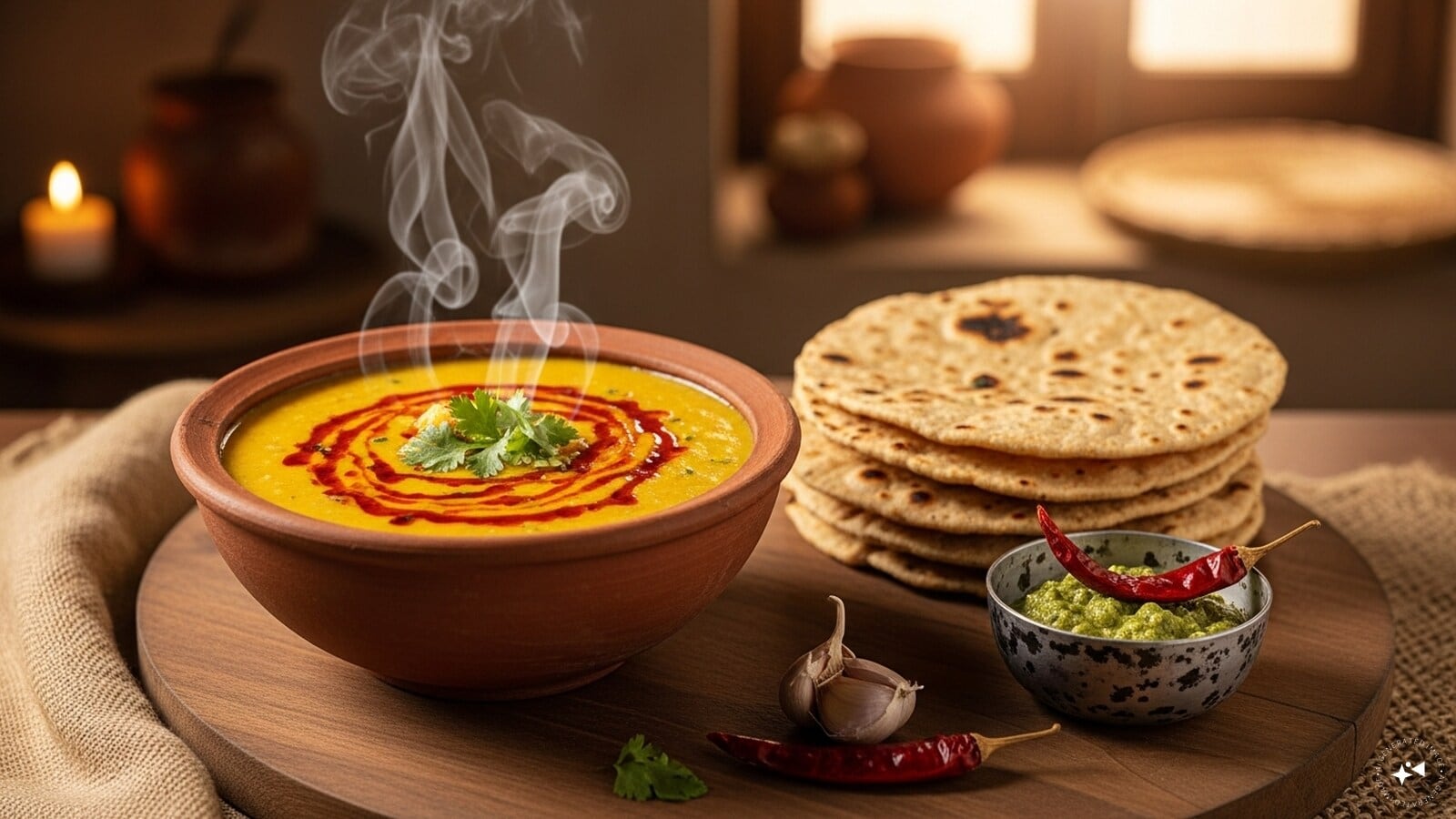
Kathiyawadi Kadhi: A spicier cousin of Gujarati kadhi, Kathiyawadi kadhi balances tangy yogurt with fiery red chilies and garlic. It’s bold in flavor and pairs well with millet rotis or khichdi, making it a winter favorite in Gujarat’s Saurashtra region. (Image: AI-Generated)
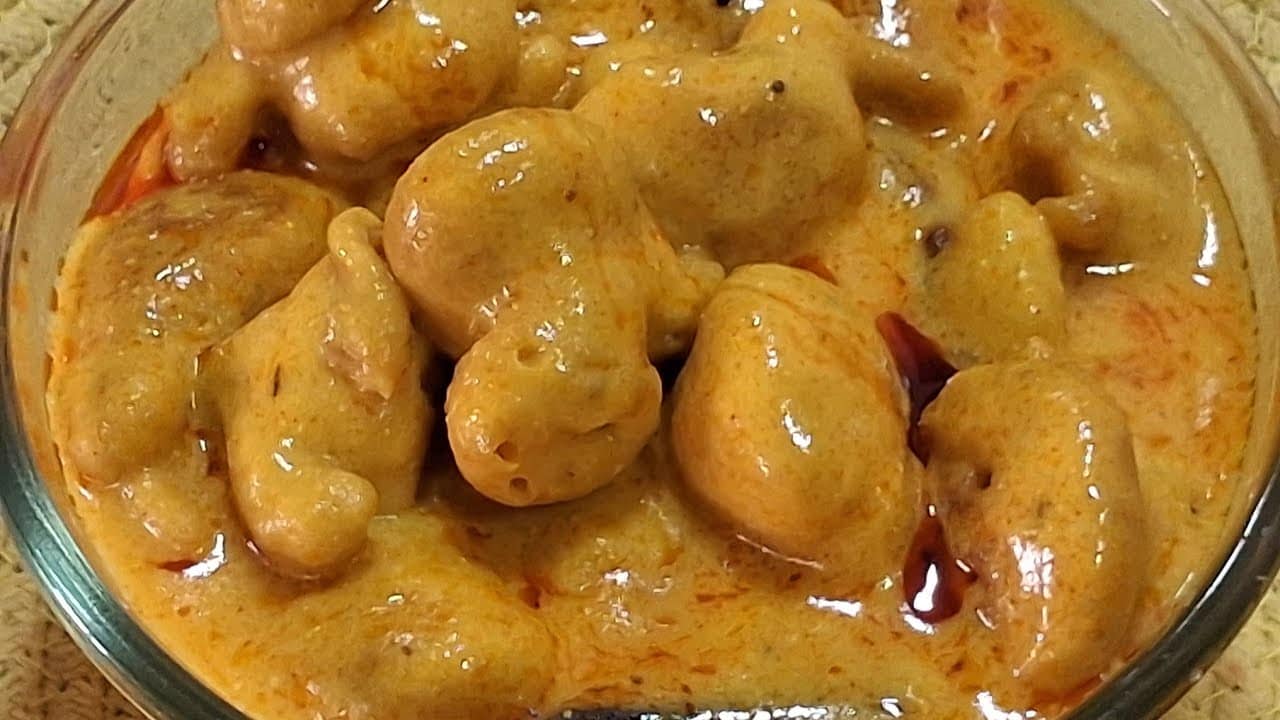
Awadhi Kadhi: In Uttar Pradesh, kadhi often takes on a subtle Awadhi touch, with mild spices and sometimes the addition of boondi (tiny fried gram flour balls) instead of pakoras. It’s lighter and more delicate, complementing the refined Awadhi palate. (Image: YouTube)
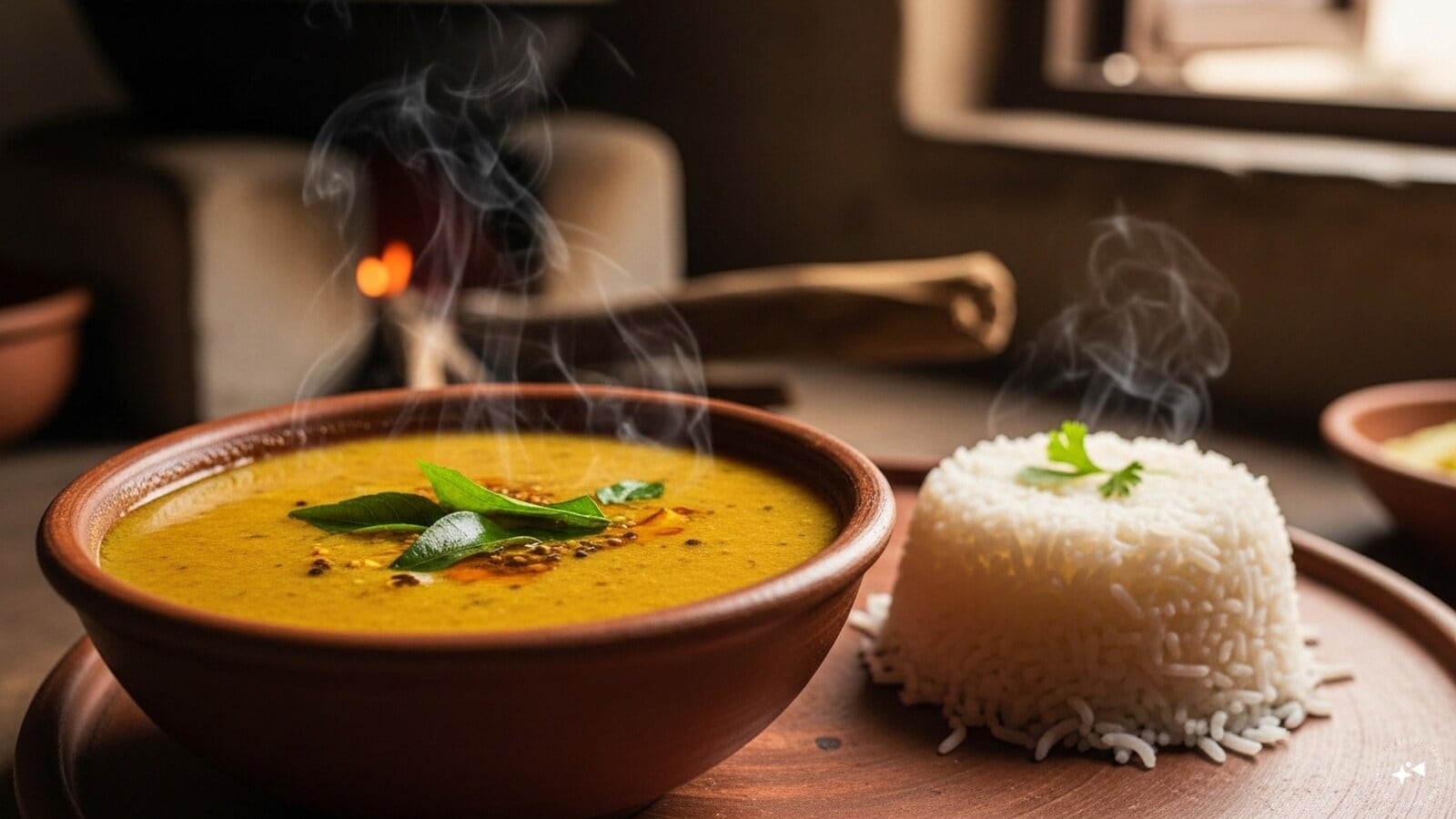
Bundelkhandi Kadhi: From Madhya Pradesh’s Bundelkhand region, this kadhi is simple yet flavorful, often cooked with minimal spices and paired with rice or rotis. It reflects the rustic charm of central Indian cuisine. (Image: AI-Generated)
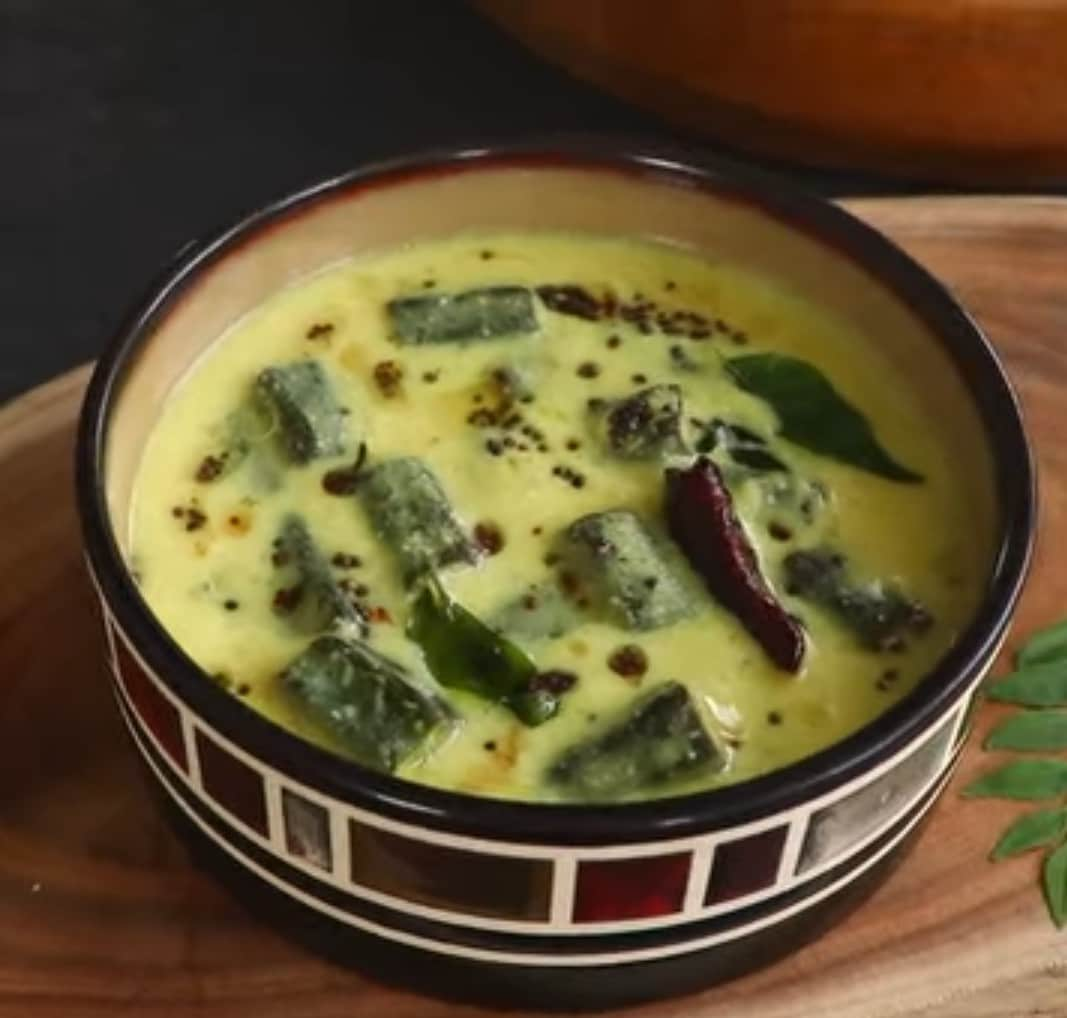
South Indian Mor Kuzhambu: In Tamil Nadu and Kerala, kadhi is known as mor kuzhambu. Made with buttermilk, coconut, and ground spices, it’s tangy and aromatic. Vegetables like ash gourd or okra are added, and it’s served with steamed rice. This version highlights the South’s love for coconut and curry leaves. (Image: Facebook)
